How to Match Blinds with Your Existing Room Decor
Start with the Room's Colour Palette
The easiest place to begin is with the colours already in the room. Look at the main wall colour, the largest pieces of furniture, and the floor covering. These set the baseline. A blind that picks up a secondary colour from the room - a soft green from a sofa cushion, a warm grey from the carpet - will feel intentional. If the room is mostly neutral, you have more freedom to introduce a bolder shade or a subtle pattern through the blind. But if the room already has strong accent colours, a plain blind in a tone that matches one of those accents keeps the space from looking busy.
One common mistake is choosing a blind that exactly matches the wall colour. That can make the window recede visually and the room feel flat. Instead, go a shade or two lighter or darker, or choose a complementary tone. For example, if the walls are a warm cream, a blind in a soft taupe or a pale stone colour will add depth without clashing.
Think About Light and Privacy Needs in Each Room
Different rooms demand different levels of light control and privacy. A bathroom or a bedroom window that faces the street usually needs a higher privacy level, especially at night. A living room or a kitchen might benefit from more daylight. This practical need will influence the blind fabric you choose, which in turn affects how the blind looks with your decor.
For rooms where you want to let in light while maintaining privacy, a day-and-night blind or a light-filtering fabric works well. The fabric will diffuse sunlight softly, making the room feel airy. In a bedroom, a blackout fabric - usually with a denser weave or a coating on the back - blocks out most light and also helps insulate the window. The colour of a blackout fabric is often limited to a solid shade, so pick one that sits comfortably with your bedding and wall colour. If you want a pattern, consider a blackout lining behind a decorative fabric; that way you get both function and style.
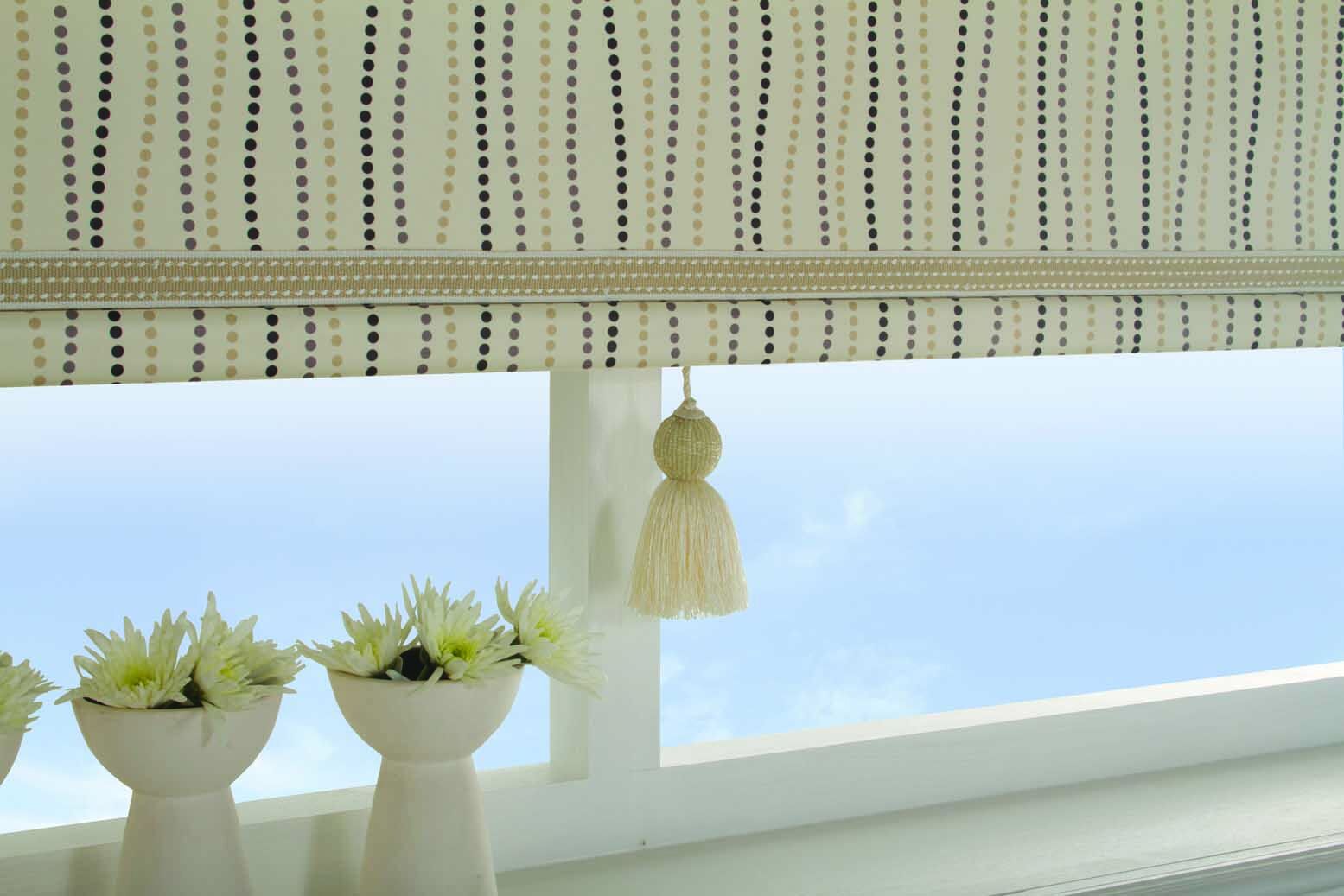
For windows that don't need much privacy, such as a high-set window or one looking onto a private garden, a sheer or semi-sheer fabric can be a good match. It adds softness to the room and pairs well with a minimalist or Scandinavian decor style.
Consider the Window's Shape and Size
The proportions of the window itself guide the blind style. A tall, narrow window can look elegant with vertical blinds or long Roman blinds. A wide window with a shallow drop suits a pleated blind or a roller blind. For windows with an unusual shape - an arch, a circular window - a bespoke blind cut to the exact shape is the only way to match the decor without leaving a gap.
If the window sits inside a recess, the blind's width and drop need to be measured precisely so that the blind fits neatly within the recess. A blind that is too narrow or too short will leave light gaps and look unfinished. If the blind is fitted outside the recess, it can make the window appear larger, which is useful in a small room. The choice between inside and outside fit depends on the look you want and the depth of the recess.
Choose a Material That Suits the Room's Purpose
The blind fabric is not just about colour; it affects the room's atmosphere and practicality. In a kitchen or a bathroom, moisture and grease are factors. A wooden or faux-wood blind can warp in a steamy bathroom if not well sealed, so a waterproof aluminium or a PVC-coated fabric might be more practical. In a living room or dining room, natural fabrics like linen or cotton add a tactile, warm feel. They soften the light and bring texture to a plain wall.
Slat size matters too. Wide slats (around 50mm or more) give a clean, modern look and let in more light when tilted. They suit larger windows and contemporary decor. Narrower slats (25mm or 35mm) look more traditional and work well in smaller windows or in rooms with a classic style. For a child's room, a cordless blind or one with a hidden cord system is safer and looks cleaner, since there are no dangling cords to clash with the decor.
One practical detail: heavier fabrics can make a room feel cosier, but they also require a stronger mechanism to lift. Lighter fabrics are easier to operate and tend to look crisp over time if the window gets direct sunlight. UV-resistant fabrics help prevent fading of both the blind and the furniture near the window.
Match the Blind Style to the Decor Style
Each blind style has a character that suits a certain type of decor. Here is a quick guide:
- Roller blinds work in almost any room and are especially good for a clean, minimal look. Choose a smooth fabric for a modern space and a textured one for a more traditional feel.
- Roman blinds add softness and a touch of elegance. They look right in a living room or a bedroom with curtains or upholstered furniture.
- Venetian blinds (horizontal slats) suit both modern and classic settings, depending on the slat material. Aluminium for a sleek, industrial look; wood for a warm, traditional feel.
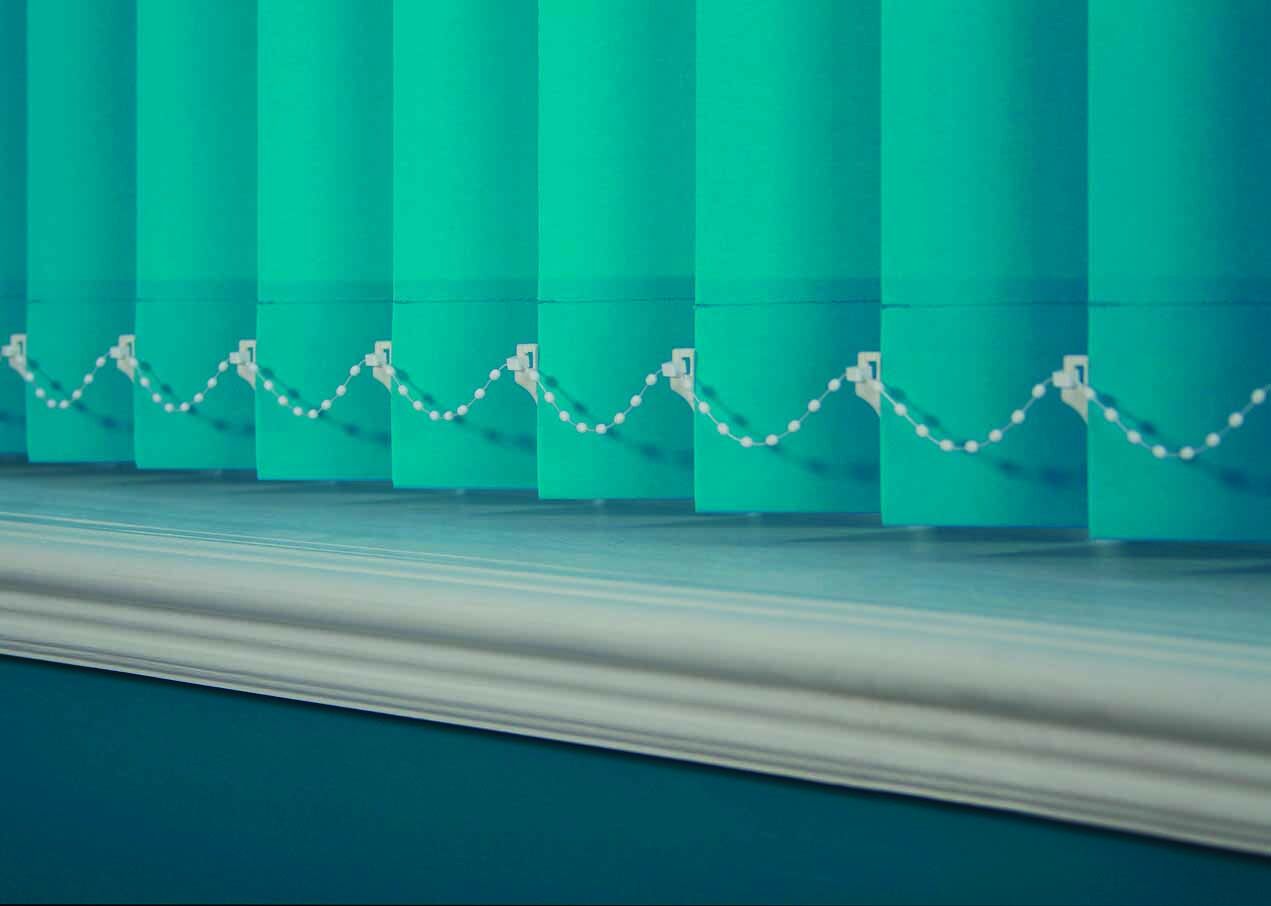
- Vertical blinds are practical for large sliding doors and can be dressed up with fabric vanes instead of PVC for a softer appearance.
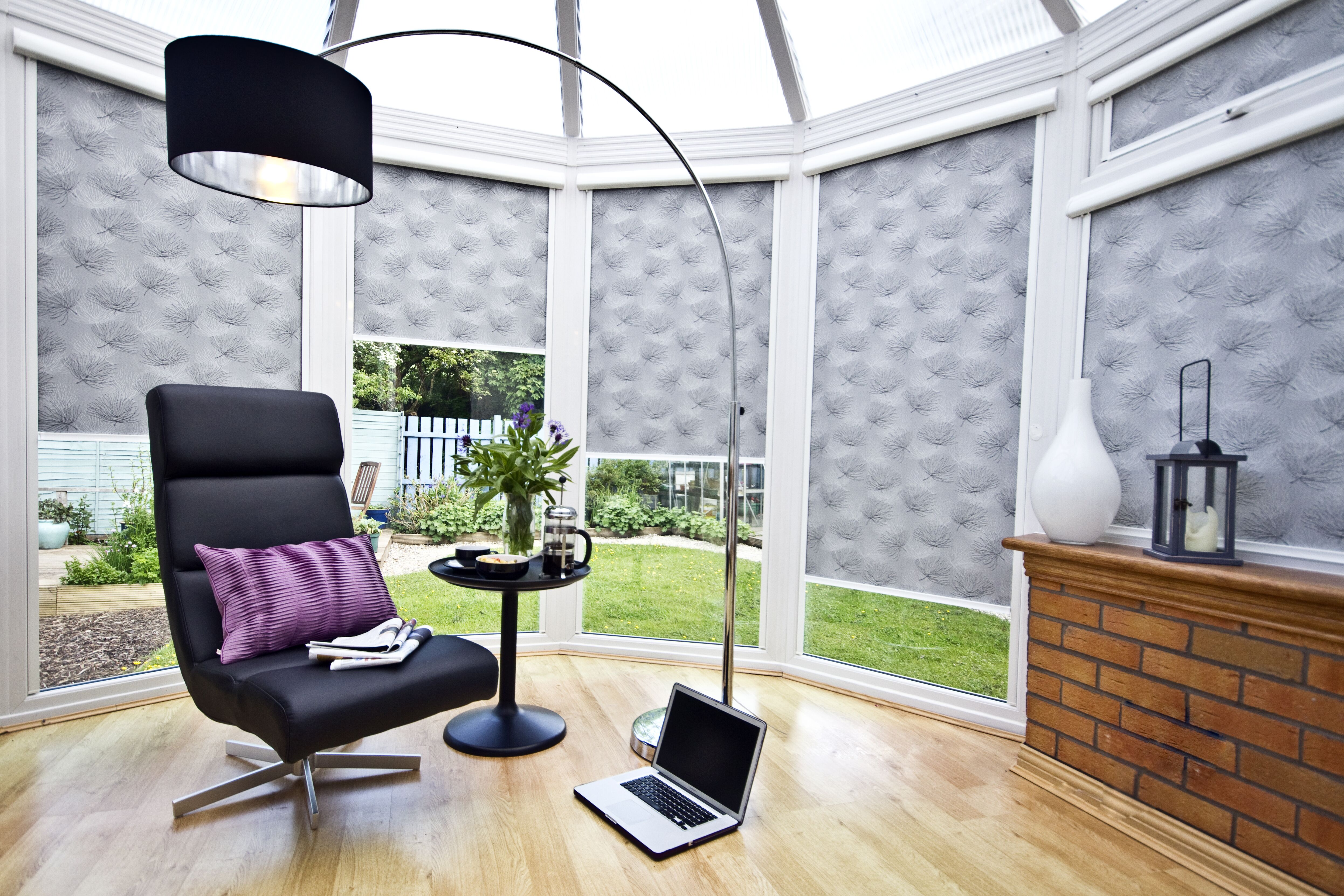
- Pleated blinds offer a neat, unobtrusive look that works well in a conservatory or a small window.
If you are unsure, look at the room's existing lines. A room with straight, simple lines - square furniture, flat-front cabinets - pairs well with a roller or a pleated blind. A room with curves or soft furnishings can take a Roman or a gathered blind.
Don't Forget the Hardware
The mechanism and the brackets are part of the visual. Most blinds come with white or silver metal components. If the room has brass or black metal handles and light fittings, you might want a blind with matching hardware. Some brands offer a choice of control chain colour and bracket finish, so it is worth checking before ordering.
For a seamless look, a cassette or a fascia that hides the roller or the headrail can make the blind appear to float in the window. This works especially well in a modern or minimalist room. In a traditional room, a visible wooden headrail that matches the window frame can add a crafted detail.
Plan the Order of Decisions
It helps to decide on the blind style and fabric before you finalise the rest of the room's accessories, not after. That way, the blind becomes a design element that the rest of the decor can echo, rather than an afterthought. If you start with the blind, you can pull a colour from it for cushions, rugs, or wall art. If the room is already furnished, take a photograph of the window area and hold fabric samples against it to see how they look in the actual light at different times of day.
When you have a shortlist of fabrics, ask for a sample to be sent to your home. Light changes the colour dramatically. A fabric that looks warm in the showroom can look cold under a north-facing window. Checking the sample in the room where it will be fitted is the only reliable way to confirm the match.
Once you have settled on the style, colour, and fabric, the next step is accurate measuring. A poorly fitted blind can ruin the effect of a well-chosen one. This is where professional help can save time and avoid mistakes. Many local suppliers offer a measuring and installation service, which also ensures the blind is fitted safely and securely. For made-to-measure blinds in the region, Peak Blinds - Hand Fitted Blinds - Derbyshire provides a full service from consultation to fitting, so the blind is tailored to both your window and your decor.
Finally, remember that a blind is a long-term addition to your home, so it is worth taking your time with the choices. A thoughtful selection that balances colour, texture, light control, and privacy will give you a window dressing that feels like part of the room, not an afterthought. If you need expert advice on matching custom blinds Derbyshire, Peak Blinds - Hand Fitted Blinds - Derbyshire can help you navigate the options and find a solution that fits your home and your style.